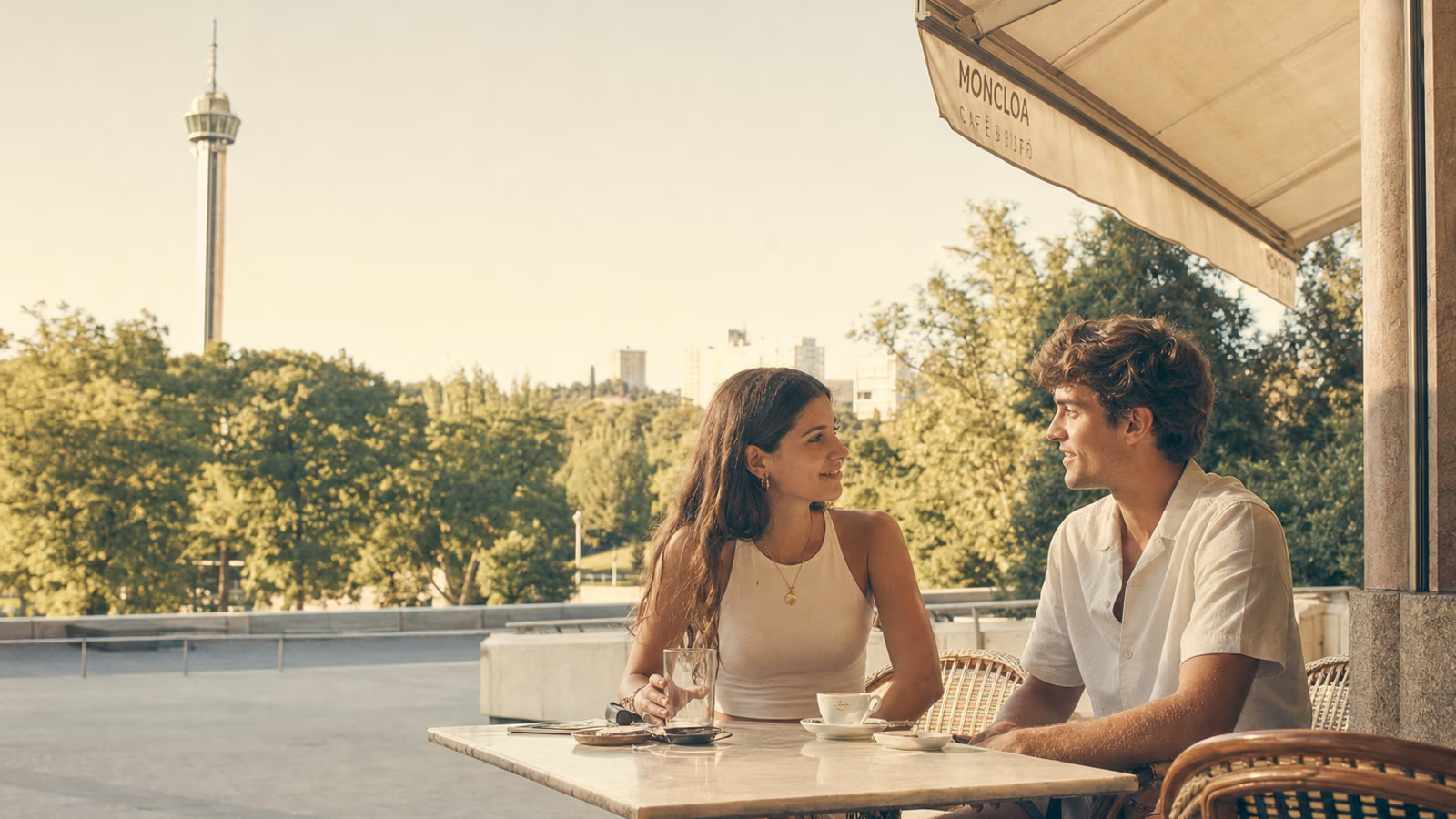
Moncloa, located in northwest Madrid, blends history and nature, making it perfect for a relaxed city experience.
What can you find in Moncloa?
Moncloa presents a distinct urban fabric, where monumental structures converse with expansive green spaces. We often point guests towards the Faro de Moncloa, a slender concrete tower from 1992, whose observation deck provides a full panorama for understanding the city's scale. Just a short walk away, the Arco de la Victoria stands as a powerful, if complex, marker of mid-20th-century history, its severe classicism a stark contrast to the surrounding greenery.
Then there is the Parque del Oeste. It’s more than just a park; it's a piece of late 19th-century landscape design, conceived in the English style with winding paths that feel like a deliberate departure from the city's rigid grid. Walking here, you feel the urban rhythm slow down as the space opens up, leading you naturally towards the formal elegance of the Rose Garden or the ancient stones of the Temple of Debod.
Another highlight is the Moncloa Transport Interchange, an architectural feat that combines functionality with modern design. This hub connects various parts of Madrid and beyond, making it an essential stop for those exploring the city. The interchange also houses a small shopping area and eateries, providing convenience for travelers.
For art enthusiasts, Moncloa also offers a lesser-known gem: the Museo del Traje (Museum of Costume). Located near Ciudad Universitaria, this museum showcases the evolution of Spanish fashion from the 16th century to the present day. The collection includes traditional garments, haute couture pieces, and even contemporary designs, offering a unique perspective on Spanish culture through clothing. Entry is free on Saturdays after 2 PM and all day Sunday, making it an affordable cultural stop.
When is the best time to visit the Faro de Moncloa?
While the Faro de Moncloa is generally open from Tuesday to Sunday, 09:30 to 19:30, we always advise a quick check of its website for any unexpected closures. A guest asked us just last week about the best time to go, and our answer is always the same: aim for sunset. As the light lowers, the city's palette deepens, and the long shadows it casts define the contours of the Royal Palace and the distant Cuatro Torres. It's a moment of pure observation.
From that height, you witness the fundamental tension of Madrid: the dense, man-made city giving way to the rugged profile of the Sierra de Guadarrama on the horizon.
If you visit earlier in the day, the morning light offers a different perspective, highlighting the vibrant colors of the city and the surrounding natural landscapes. Tickets to the Faro de Moncloa are reasonably priced, at around €3 for adults and €1.50 for children and seniors, making it an affordable experience for all.
For those interested in photography, the Faro de Moncloa is a fantastic spot to capture panoramic shots of Madrid. The observation deck is equipped with glass panels, allowing for unobstructed views. Whether you're a professional photographer or just snapping pictures for Instagram, the vistas from the tower are sure to impress.
What else can you do in the area?
We also recommend considering the Museum of the Americas, not only for its profound collection charting the history of pre-Columbian cultures but for the building itself. Its neo-colonial architecture from the 1940s is a statement in its own right, creating a specific context for the objects within. For a quiet, reflective afternoon, it's an excellent choice, especially on Sundays when entry is free after lunch.
For those with an eye for architecture, the area around Ciudad Universitaria is an open-air lesson in Spanish modernism. Conceived in the 1920s as a 'city of knowledge', its faculties display the clean lines and functional forms of the rationalist movement. Notice the interplay of brick, concrete, and open space, a deliberate plan to fuse intellectual life with the natural environment.
Sports enthusiasts will appreciate the nearby sports facilities, including the Complutense University Sports Complex, which offers swimming pools, tennis courts, and football fields. These facilities are open to the public for a small fee, providing an excellent way to stay active while exploring the area.
Another option for nature lovers is the Dehesa de la Villa, a large park located slightly north of Moncloa. This green space is less manicured than Parque del Oeste, offering a more rugged, natural environment. It's a favorite among locals for jogging, picnicking, or simply enjoying a quiet moment away from the city's hustle and bustle.
Is Moncloa a good area for dining?
The dining scene in Moncloa reflects its role as a residential and academic hub, with an abundance of traditional taverns and cafés serving Madrid's classic dishes. It’s honest and satisfying. However, the culinary experimentation and global diversity that defines Malasaña or Lavapiés is less of a focus here; the neighbourhood's palate is more rooted in local tradition.
| Place | Cuisine | Approx. Price |
|---|---|---|
| Cafetería Moncloa | Café and brunch | €10-15 |
| Restaurante La Vaca | Meat and grills | €20-30 |
| Taberna del Oeste | Tapas and sharing plates | €15-20 |
For a unique dining experience, visit the Mercado de Moncloa, a modern food market offering a variety of Spanish and international cuisines. It's an excellent spot for trying local delicacies like jamón ibérico or churros with chocolate, as well as global dishes like sushi or tacos. Prices vary depending on the stall, but you can expect to spend around €10-20 per meal.
If you're in the mood for something sweet, don't miss the local bakeries scattered around Moncloa. Many of them offer traditional Spanish pastries such as napolitanas, palmeras, and rosquillas. These treats are perfect for a quick snack or to accompany a cup of coffee.
How to get to Moncloa?
Moncloa is easily accessible via public transport. The Moncloa metro station, served by lines 3 and 6, is a major hub connecting the area to the rest of Madrid. Buses from various parts of the city also stop here, making it a convenient destination for visitors. If you're coming from the city center, the metro ride takes approximately 10-15 minutes, depending on your starting point.
For those driving, Moncloa offers several parking options, including underground garages near the transport interchange. However, parking can be limited during peak hours, so public transport is often the more practical choice. Additionally, the area is bike-friendly, with several rental stations nearby for those who prefer to explore on two wheels.
If you're planning to visit multiple spots in Moncloa, consider using the Madrid City Tour bus. This hop-on, hop-off service includes stops at major attractions like the Faro de Moncloa and Parque del Oeste, allowing you to explore the area at your own pace.
More at interhostales.es: Inter Plaza Mayor · Inter Puerta del Sol · our rooms
Further reading: Faro de Moncloa · Museum of the Americas
Keep reading: Discover Lavapiés: Hidden Gems for This Autumn · Discover Chamberí: A Neighbourhood Full of History and Surprises · Discover the Habsburg Quarter: History and Traditional Charm · Discover Chueca: Diversity, Culture, and Nightlife · Exploring La Latina: Plazas, Taverns, and History